
Peru
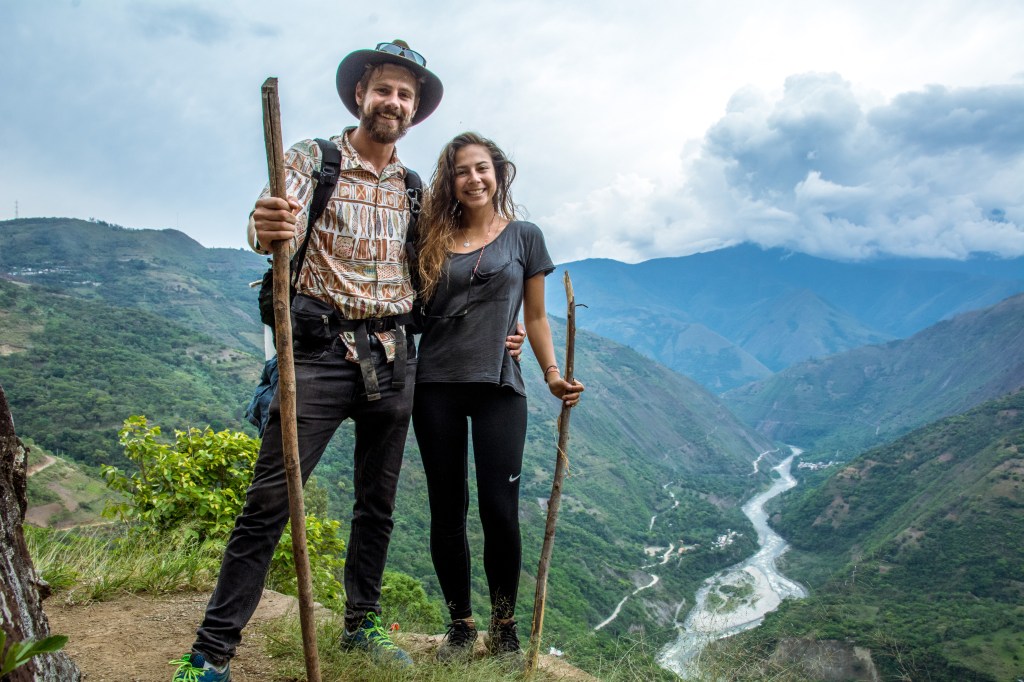
Deep in the Peruvian Andes our excitement was tenable. After 3 days on our Jungle adventure trek we had arrived at the locked bridge covering the ‘Urubamba River’ (Quechan for sacred river) At 4.30am the air was fresh, the Southern Cross and Orion’s belt shone brightest in a sky, which illuminated our mountainous surroundings. The Urubamba River skirts the base of the Machu Picchu, like a castle moat the Urubamba stops eager trekkers getting an earlier start that everyone else. 5.00am sharp the hustle begins. It takes the average person 60 minutes to climb from river to ruin entrance. Talking is minimal and panting audible. Bianca set a steady pace and we found a rhythm. All would be worth it at the top!
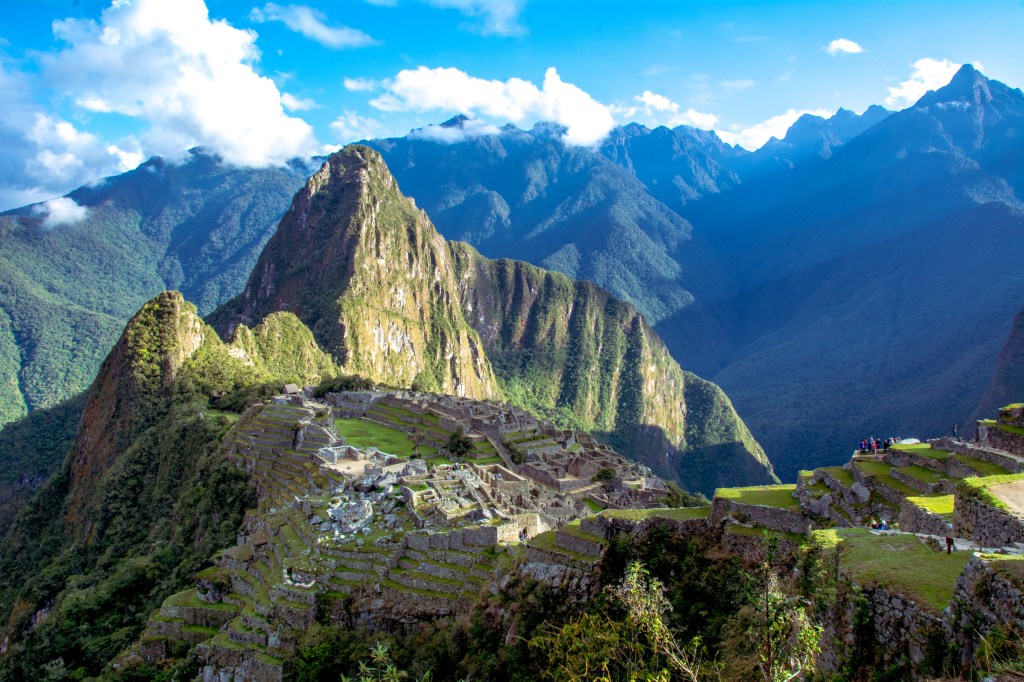
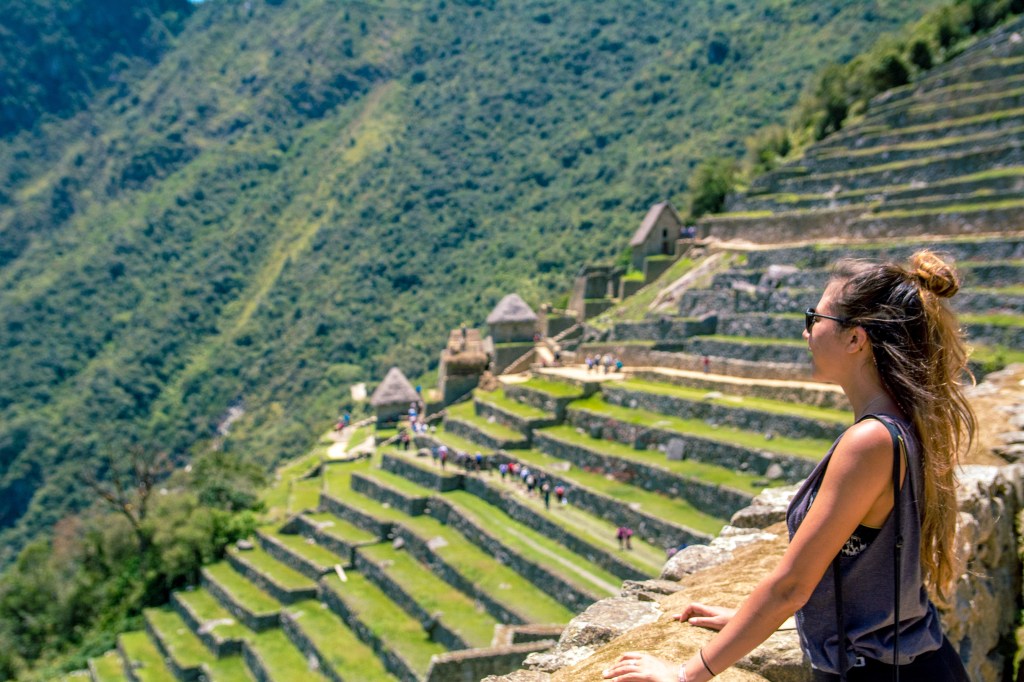
It was 45 minutes exactly when we emerged from the stair path. Legs wobbly like jelly and enough back sweat to make Africa green again. Then we got our first sighting of the ruins, not through a screen but in person. That breath taking moment, that view makes the hard yards, the trek, and the pain up the mountainside disappear. The sight truly is something spectacular.
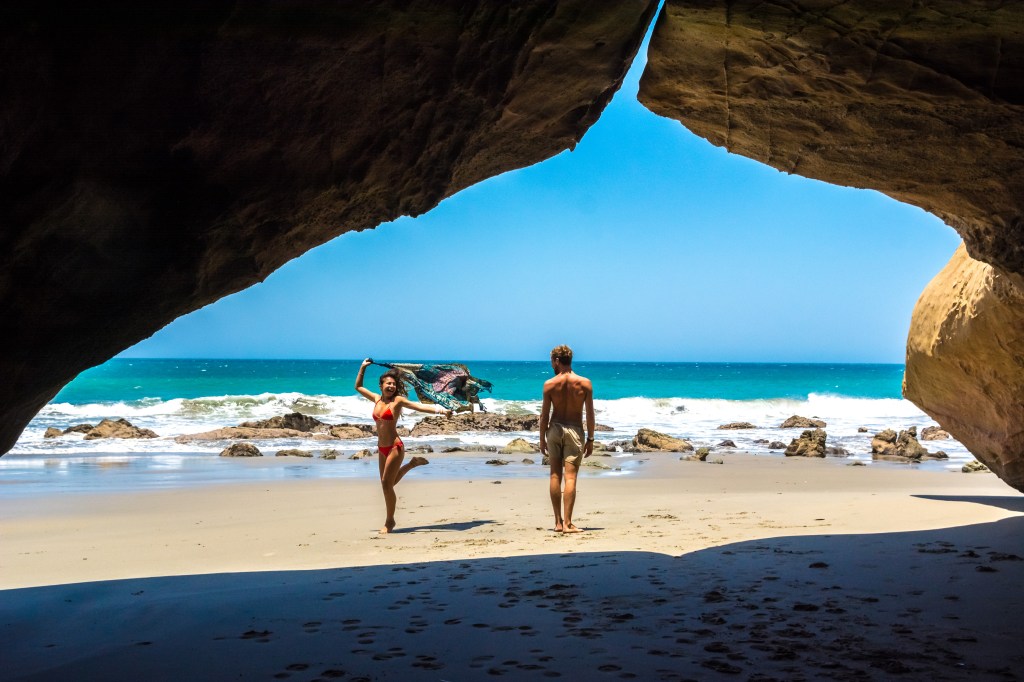
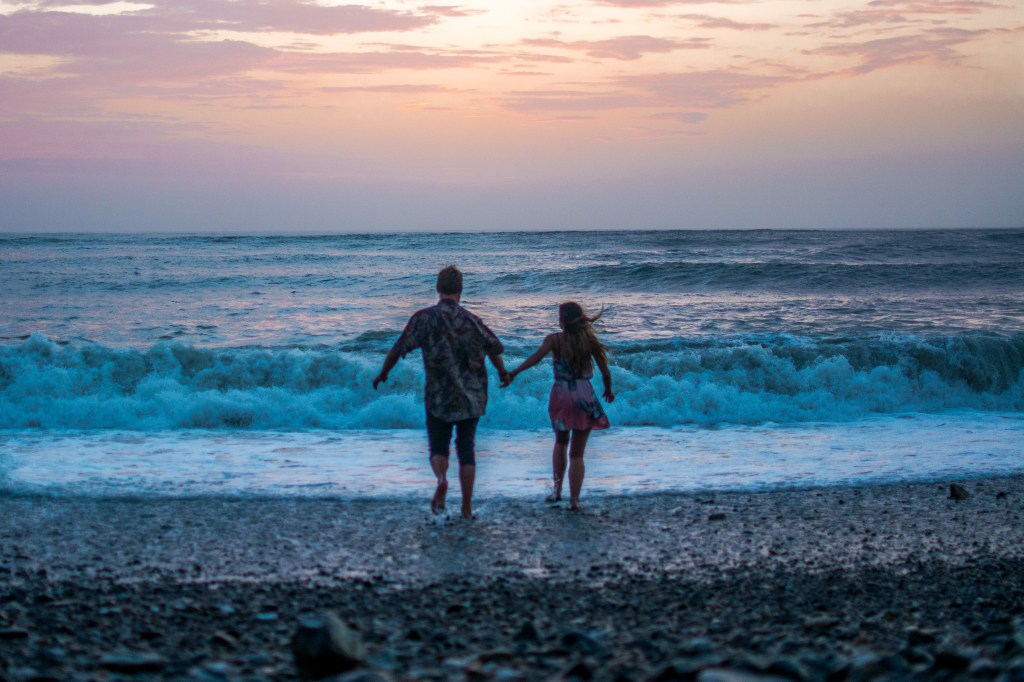
Of all the countries in Latin America visited to date, Peru has forced its way to be our personal favourite. For us Peru has everything we need. From the North of Peru sun, ceviche and surf entertained us for what could have become weeks. Lima, the capital and largest city in Peru is renown for its world-class gastronomy. Lima satisfied our hunger for the finest traditional Peruvian cuisines then provided evenings of romance as we strolled the cliff top boardwalk. South of Lima is the heart of Peru’s tourism. History of Inca intertwines with hikes and beautiful scenic nature. Wildlife thrives in Peru, be it Penguins in Paracas, Condors in Colca or pink dolphins in the rivers of the Amazon.
Travellers in Peru, get the best of all worlds, Intrepid travel with expert cuisine, the world’s longest left hand waves, its highest lakes and the deepest canyons all once inhabited by one of the world most interesting cultures.
Yes, Peru has risen to the pinnacle of our favourite destinations and cannot be missed.
*This blog was written in 2016, please note some things may have changed*


Transport
Cuenca, Ecuador to Mancora, Peru
We decided to take a night bus as we hate wasting our days on buses. It is safe to cross the border from Ecuador into Peru at night.
There is around 3 bus companies that go by night into Ecuador, we shopped around and bought tickets with Super Semeria one day in advance. To us, they seemed like the best company – toilet on board, semi cami seats and the air con wasn’t cracked up to -1000, they even passed out a small treat of Oreo’s and a juice.
The bus left at 10pm, around 2am you arrive at immigration. Surprisingly, it was super fast and very easy. The only form required is the entry form into Peru. Get your exit stamps, and then at the very next counter, get your entry stamp into Peru. The process took 10 minutes and there were no hastles.
*Note there are no exit fees leaving Ecuador nor there are no Entry fees into Peru.
Mancora to Trujillo
This is quite a long journey (602km), aka another overnight bus.
Time to get used to it. South America is so big night buses are a necessity.
Our bus company for this leg was El Sol, the cheapest bus. We DO NOT recommend them if you want decent seats or some sleep.
The buses in Peru are very nice. As we learned it is worth spending a little extra money to get the 160° semi cama or 180° total cama bus seats. Otherwise you, like us will arrive at your destination very jaded. However, if you still want the cheapest option this bus is for you. One and a half hours late we arrived. This journey took 10 hours.
From Trujillo we took a taxicab for 15 minutes to the neighbouring town called Huachaco. We recommend staying here for a more relaxed vibe and some very good surf.
Note – While travelling via bus do not put your bags in the overhead compartments. Store them on your lap or hook onto the seat in front of you. Always pad lock the zips. Many people get robbed on the buses so be weary of your belongings.
Trujillo to Huaraz
We booked online through Movil Bus Company. They have just as good of a reputation as the popular Cruz Del Sur.
We decided to see how the flash-packers live and bought the VIP 160° recline first class seats for a few dollars more. We were served the same food and drinks as economy although the seats were more comfortable and wider, like sitting in a lazy boy. We arrived ahead of time at 6am in Huaraz.
Lucky me I slept the whole time, very smooth. Brett on the other hand had a terrible sleep as usual, as he is a tall guy and still could not stretch out his legs…
Huaraz to Lima
We booked an overnight bus with Cruz Del Sur, this time in a regular-class seat.
Brett had the same experience on both, so we thought we would save the extra $9 each on the VIP seat next time.
On all of these types of buses you will be served food, drinks and a movie will play. Seats are still comfy even in second class, reclining to 140° and with less arm room. The journey took a little longer than expected, just over 9 hours as unfortunately there was a bus crash on the highway during the middle of the night. Thankfully not ours.
Lima to Paracas
This trip is a 4-hour journey, no overnight bus here. We booked online with Cruz Del Sur, presented our tickets on our phones for check in and off we went. You still get one meal provided even on the shorter ride.
Paracas to Huacachina
Backpacker’s Solar Hostel, on the main road was offering a minivan direct to Huacachina for cheaper and faster than any local bus we could find. It was a no brainer.
Departd at 11.20am and arrived at 12.45pm – Quick and easy, door to door.
Huacachina to Cusco
17-hour bus ride awaited us to get from Huacachina to Cusco. Because it was such a long journey we decided to take a Cruz Del Sur bus and pay the extra Soles for the VIP seats.
We boarded the bus at 8.30pm in the evening and after 20 minutes on the bus we were served some decent food. Everyone had a little T.V on the back of the seats in front of them with a variety of movies and T.V programmes.
We dozed off (with a little interrupted sleep) and woke up around 7am, in which the bus stopped for a break to stretch our legs. Shortly after we were served breakfast and stayed awake until we arrived in Cusco at around 11.30am.
Finally we arrived! It wasn’t so bad of journey. We did feel a bit under the weather on arrival, but we think that was due to the altitude as we had not yet acclimatised.
Cusco to Arequipa
Cruz del Sur overnight bus, this time in regular seats. This journey took 10 hours.
We boarded the bus at 8pm and arrived around 6am in Arequipa. It was relatively comfortable, the day before we had completed our Machu Picchu trek and were very tired, so passed out easily. Brett was aided by some sleeping pills and this was one of the better sleeps on an overnight bus.
Once at the bus station it should be 8 Soles to get to central Arequipa, where most hostels/hotels are located.
Arequipa to Puno
We decided to take the cheap local bus option to Puno (Lake Titicaca).
We turned up to the bus station in Arequipa the morning we wanted to leave and found a bus leaving in 10 minutes. Buses usually leave Puno ever hour and there are many bus companies to choose from.
We choose San Cristobel Del Sur Bus Company, which took 6 hours, you could get tickets cheaper with other companies but we would then have to wait another hour. The bus was very basic, with no toilet on board – You get what you pay for and this was less than half the price of a Cruz Del Sur bus. We got there – so we were happy.
Puno, Peru to La Paz, Bolivia
Crossing the border to Bolivia can only be done during the day as the immigration office is only open certain times in the morning and the afternoon.
We booked our tickets a few days in advance at the main bus station in Puno with the bus company “Titicaca Bolivia”. The bus left at 6am and the journey took seven and a half hours. We arrived at 2.30pm (Bolivia time).
We had a bit of trouble with our original bus being delayed (or not existing) and the salesman put us onto a different bus. Original plan was 5hrs direct to La Paz through Desaguadero boarder. Instead we departed an hour late on a separate bus going through Kasani border and with a bus change at Copacabana.
Bus attendants will give you forms to fill out prior to arriving at the immigration office. Once through the boarder we stopped off in Copacabana and changed to a smaller local bus, then headed straight to La Paz.
Depending on your nationality you might need to pay an entry fee or obtain a visa. As New Zealanders we did not need to pay any fees.
However, when travelling through Copacabana there is a city tax which everyone must pay. Further into the journey it costs to go on the barge across the lake. In both instances we had no cash (these extra costs were never mentioned prior). “Nosotros no dineros, Lo Siento” was our line and we got through both situations without paying. Do so at your own risk.
Tip – Bolivia is one hour ahead of Peru so make sure you change your clocks.

Accommodation
Mancora
Loki Del Mar – Loki Hostels are a very popular chain throughout Peru and Bolivia with a reputation for wild backpacker parties. The Mancora branch, Loki Del Mar has the feel of an all-inclusive beach resort (only not all inclusive). An enormous pool is surrounded with deck chairs for bathing in the dry sun. Hammocks dot the surrounding areas and are covered with shade for an escape.
The rooms are basic and look as if they could be hosed down in worst-case scenarios, this is a ‘party-backpackers’ after all. Large lockers come equipped with internal power sockets, perfect for keeping electronics safe while on charge. The rooms also come with a terrace.
To get the most out of Mancora, you have to experience the party scene, relax poolside and test yourself on the waves, staying at Loki Del Mar hostel is perfect for all of the above!
Huanchaco
Casa Amelia – Huanchaco is a beachside surf town 15 minutes from Trujillo. Casa Amelia is no ordinary hostel, relatively small to others and with less of a reputation.
Most guests’ at Amelia’s stay weeks or months at a time. The size of the hostel creates a homely feel. If you like surfing, rent a board tailored to suit your level and head straight out, you can catch long left-hand breaks straight out from the doorstep!
The rooms are clean with a soft bed and come with towels. The staff at Casa Amelia are relaxed and genuinely friendly, helping to answer the barrage of questions we usually throw out on arrival with an unwavering smile. This quaint little homely-hostel has been one of our favourite little places to stay at in South America. We highly recommend.
Huaraz
Caroline Lodging – Run by a nice Frenchman this hostel spans across two separate buildings. The original and biggest of the two buildings is where the reception, dorm rooms and kitchen are. The kitchen is small and lacks many utensils but makes up for that with a magnificent unobstructed 4th floor view of the surrounding snow capped mountains, a perfect backdrop for the complimentary breakfasts.
The hostel is quite old and the rooms tend to reflect that, a 60s to early 70s décor is reminiscent of a grandmothers house. This is a hikers lodging, it doesn’t need to be flash. You will not find a party at Caroline Lodging. The only 5am antics being enthusiastic hikers awake and ready to disembark on tours of varying difficulty and length. All of which can be booked through the hostel at competitive prices.
Lima
Loki Hostel – For an unknown reason to us, Lima is not rated among many travellers. What we found was one of our new favourite Latin American cities.
Perhaps it is our love of food. Lima competes with the best food places in the world alongside New York, London and Tokyo.
Loki hostel is in the centre of Miraflores, a popular place to stay for tourists. Walking distance to many shops, restaurants and bars. It felt like a very safe neighbourhood to walk around by your self at any time.
The hostel building is quite small compared to the other Loki hostels but serves its purpose. The rooms are kept tidy and cleaned everyday, large lockers lock everything away. Free coffee/tea are available everyday and you can purchase reasonably priced hearty meals at their restaurant. Like all Loki hostels, there are events and (drinking) games to play every night of the week to get you in the party mood.
During your stay in Lima we recommend Loki Lima hostel, for great location, friendly staff, and an excellent party scene!
Paracas
Hotel Gran Palma – We upgraded to a hotel during our stay in Paracas. It is a good change to sleep on a soft mattress with some privacy on your trips, especially when travelling for extended periods.
As soon as we walked through the door we were greeted by the lovely front desk, which made sure our check-in went smoothly. During our 2 nights here we stayed in a twin room with en-suite, the facilities were very clean and brand new, the bed was comfy and had 2 soft pillows each. The room also has a T.V, fan and wifi within the room. A breakfast buffet is also included and served on the rooftop with a view over the Paracas harbour and out to sea.
Huacachina
Banana’s Adventure – Huacachina is a small desert oasis 5 minutes drive from Ica. You could probably run around the oasis in 3 minutes, so there is not a lot of hostels or hotels compared to many other places. We choose Banana’s adventure hostel, it was the most highly rated in town. When we arrived we quickly noticed why.
We were greeted to the friendly staff who showed us to our rooms. Brett and I stayed in a 4-bed superior en-suite room; it was clean and tidy and with comfortable bunk beds. The whole room felt new and the bathroom was luxurious, what you would expect from a hotel. It gets very hot during the day so the pool is the hangout area. Cool off then catch a tan and relax in one of the deck chairs. The bar and restaurant is right next to the pool. Order some delicious food with vegetarian options and enjoy the happy hour cocktail specials. The garden area is social and grand with hammocks and chairs for hanging out.
Bananas is not the cheapest hostel in Huacachina but Included in the price is a free breakfast and excursion. We chose the sand boarding and sand buggy activity, although they also offer wine tours.
Including the extras into the cost of what is a really fun hostel makes the price well worth it.
Cusco
Loki Hostel – Loki Cusco is the Jewel in the Loki Hostel family. The second biggest Party hostel in the world, Loki Cusco can sleep up to 300 and will easily cater to a party of triple those numbers. The notorious flaming blood bombs, a key part in every Loki hostel flow with an insane regularity here. Loki knows how to party all right! Events are thrown every night and social drinking games encouraged.
The hostel Dorm rooms where the nicest we have experienced at a Loki before. Large lockers roll out from under each bed and a valuables/charging locker can be found near reception. WIFI signal is strong throughout the public areas in the hostel and good computers with fast connections are available for use. Pool and table tennis tables help the social atmosphere and also pass the time while you spend a few days acclimatising to the altitude. The hot showers are a godsend for aching bodies after treks and despite the guest numbers at the hostel there was always a shower/bathroom available.
Loki Cusco is set back on a hill above San Francisco Square and is walkable distance to everything. The elevation provides amazing views from the outer facing dorm rooms, especially after dark when the city lights up. Cheap laundry services, local and vegan restaurants, tour agencies and a decent supermarket are all on the same street.
Tip: Walk up the hills slowly, Cusco’s altitude is 3300m above sea level and the altitude takes its toll.
Arequipa
Friendly AQP – We arrived on the night bus from Cusco at 6.30 am, unfortunately check in wasn’t until 11am. We hung out in the lounge area with WIFI and the backyard until we could check in.
We really liked this hostel as the rooms were comfortable and clean, the showers had hot water and there was a kitchen. Breakfast is included, you can choose between eggs and bread or banana pancakes. – Of course we choose the banana pancakes! -They were the best we have had in any hostel, coming complete with a serving of dulce de leche. My mouth waters…
The hostel has a rooftop, where we had dinner, beers and watched the sunset – it was very romantic! The WIFI connection was strong, so we could catch up on some blog posts, which is always a plus for us. We totally recommend staying at this quaint hostel.
Puno
Ayama Hostel – We found this hostel on hostel world; it was one of the cheapest that had all the facilities we needed and a private room. The hostel had an apartment feel, it was not very social so if you are looking to hang out with people and socialise, I wouldn’t recommend this place.
If what you are looking for is a quiet relaxed place, then this is the hostel for you.
The bedrooms were clean, spacious and comfy with enough blankets for the cold evenings. The bathroom was standard and had hot running water.
A simple breakfast of bread, ham, cheese and jam, served with tea or coffee is included with your stay. There was also a kitchen available for guests to cook.
The hostel is a five-minute walk to the Main Square and shops. For its price, it was a nice enough hostel to stay in.

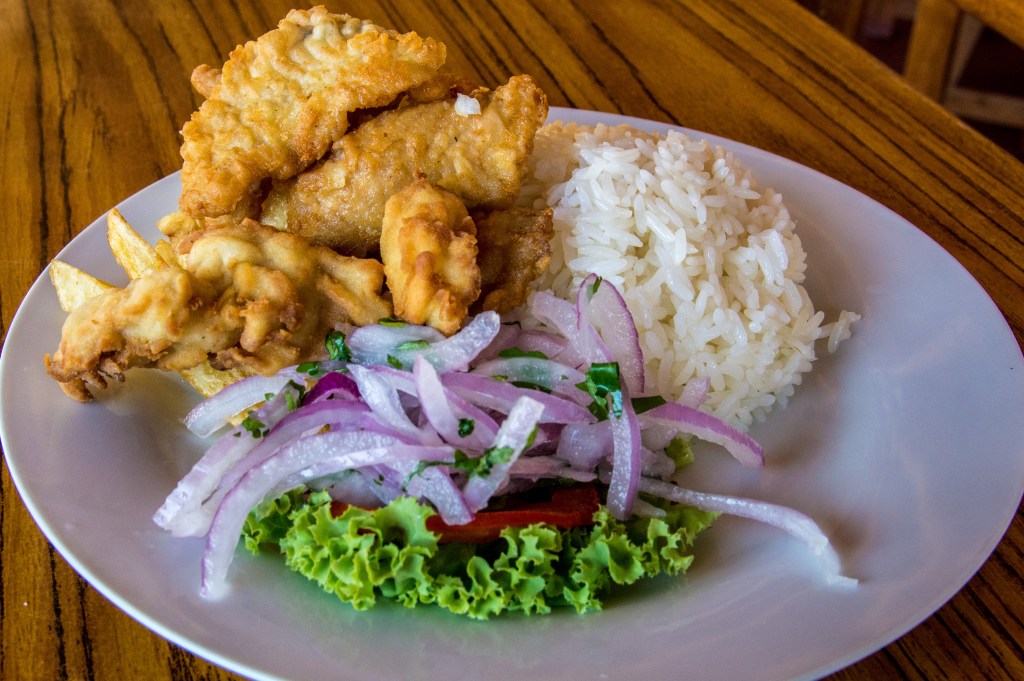
Food
Peru is the gastro king of Latin America. Known worldwide for amazing tastes and unique creations. History has seen Peru’s food develop from indigenous cuisine to having an Asian influence. Lima is widely regarded in the top three food cities around the world, equal to the likes of New York and London. Food is such an important part of travelling Peru and experiencing this countries culture. This guide will help you decipher the unknown menus and satisfy that hunger.
- Ceviche – Very popular seafood dish. If you are a seafood lover you will fall in love with this. There are different types of Ceviche, but the most typical Ceviche is made from chunks of fresh raw fish, marinated in lime-juice with sliced onions, chilli peppers, salt and pepper.
Recommended in North Peru by the coast. - Anticucho – Beef heart marinated, skewered and seared over the grill. This has a very strong flavour and reminds me of the liver taste. It is a hystorical Peruvian dish dating back to when slaves would make use of every part of the cow. Today it is very popular, people line up at Anticucherias (anticucho restaurants) every evening.
- Cuy – The famous dish of whole guineapig. The most controversial dish in Peru. Detested by some and devoured by others. The Guineapig is prepared differently depending on the region of Peru. Typically Deep-fried or barbequed. Often this dish will come with the teeth and feet still visible. Not for the faint of stomach.
- Chicharron – Is usually a dish consisting of fried pork. It may also be made from chicken or beef. The meat is boiled in seasonings and fried in its own fat. Can be served on a baguette with red onion relish and limejuice for breakfast or lunch.
Check out La Lucha fast food restaurant in Lima for a Pan con Chicharron. - Lomo saltado – Another typical Peruvian dish, it originated when many Chinese and Japanese people migrated to Peru. It is a stir-fry that combines marinated beef strips, tomatoes, onion, soy sauce, spices and served with rice.
- Aji de gallina – A delicious thick creamy sauce with chicken. Thickened with breadcrumbs and groundnuts. This dish can be served on rice or potatoes.
One of our favourite foods, after the seafood of course. - Cau Cau – A traditional tripe stew served with rice. You can have chicken or fish or mussel. The tripe is pre-cooked then cooked together with onions, Peruvian chillis, garlic and potatoes.
- Papas a la Huancaina – A perfect Peruvian starter. Made with simple ingredients. Fresh cheese and Aji Amarillo (Peruvian yellow chilli). The dish is creamy and mildly spicy.
- Chifa – Is Chinese-Peruvian food. When the Chinese immigrated to Peru they brought with them their culinary tradition. Chifa originated in Peru, as it is Chinese fused with Peruvian ingredients and traditions. It has now become one of the popular types of food in Peru. A popular dish of Chifa is Chaufa – Peruvian fried rice, one of Bianca’s favourites.
- Causa – We call this a potato cake. Layers of savoury goodness! Causa can be made in a lot of different ways – mashed potato that can be stuffed with tuna, egg, shrimp, chicken and or avocado. Often topped with Aji peppers or black olives.
- Papas rellena – are Peruvian stuffed potatoes. This is a great snack that can be eaten day or night, hot or cold. The potatoes are stuffed with a variety of things. Most commonly with beef, onions, egg, cumin and other spices.
- Rocota relleno – Stuffed peppers. The ingredients inside are usually mashed meat, avocado and potatoes. This is one of Brett’s favourites ☺
- Palta rellena – known as stuffed avocado! Mmmmmmm Avocado! Paltarellena is hollowed out avocado halves, filled with a creamy mixture of cooked veges and garlic aioli, really delicious.
- Choclo – Known as the Peruvian/Cusco giant corn. Found in the Andes. They are large and not so sweet, a lot starchier. A popular way of eating choclo is boiling it, then sauté the kernels in butter… Delilcious!
- Quinoa – All the hipster rage is super food these days. Quinoa is a superfood grown in the Andes, purchasing the healthy grains is super cheap in Ecuador, Peru and Bolivia. High in protein and iron Quinoa is a good alternative to some of the nasty looking fly covered street-food meats. Use as a rice substitute and save money eating in.
- Chia seeds – Another great super food grown in the andies altitude. Cheap to purchase. We purchased in bulk and added to everything, in our porridge or granola for breakfast, thrown over roast potatoes or mixed into sauces. It’s also amazing in smoothies. When travelling it’s important to cook something healthy for yourself every now and then.
- Manjar blanco – Also known as dulce de leche. A dessert in its self. It is a sweet, caramelized condensed milk. Manjar blanco is used in nearly all things sweet. Cakes, biscuits and pastries. Brett calls it “crack” cause once you start you can never stop!
- Tres leches – is a sponge cake soaked in milk syrup made of three different kinds of milk. Sweet and heavy dessert but so so very scrumptious.
- Picarones – deep-fried donuts, you can find these at street vendors usually served with cane syrup called chancaca.
- Coca leaves – Used to fight altitude sickness and acclimatisation. Locals throughout Peru chew dried coca leaves straight or blend them with hot water into a delicious tea. The coca leaf tea gives you the energy-hit equivalent of a coffee.
- Chicha – a non-alcholic drink made from the Peruvian purple corn. It is boiled with pineapple, cinnamon, clove and sugar. It can be served hot or cold.
- Cactus Juice – The fruit of a cactus is blended with water to make a deliciously tangy fruit juice.
- Cristal and Pilsner – Two of the popular beers you can find anywhere in Peru.
Nothing better than ending a busy day with a cold refreshing beer. - Pisco – An alcoholic base liquor. Pisco sour is Peru’s most popular cocktail – pisco and limejuice (or lemon juice), syrup, ice, egg white and angostura bitters. Delicious and sour-sweet, a great cocktail to start your night.
Recommended restaurants
Mancora
La Rustika de Jose is a Peruvian restaurant on the main strip in Mancora. They offer cheap and delicious “meal of the days” – including a starter of ceviche, a main of battered fish, rice and salad. All for 10 Sl. Bargain!
Green eggs and ham – A really great place to go for breakfast and lunch. They have a menu with everything for 15 Soles. Enjoy ceviche, pasta, Tuna steak burrito and more! It’s right on the beach so the view is spectacular.
Kim Sushi Bar – if you like sushi, the check out this sushi bar. The fish comes caught local and fresh, the sushi is absolutely delicious. Be warned: It is not cheap.
Huanchaco
Fruit and vege market – Found off a side street, if you ask one of the locals they will point you in the right direction. All sorts of fruits and veges are here at crazy cheap prices. You can buy quinoa, chia seeds, flour and grains by the gram or kg. We stocked up on the super foods quinoa and chia seeds along with some nuts to snack on.
Huaraz
California Café – A little bookstore café where you can waste away the entire day. Taste cakes, comfortable couches and a reliable Wifi connection makes California café a perfect place to come up with your next travel plans.
Lima
One of the top 3 places to eat in the world! Treat yourself three times a day. We had a huge list of restaurants to try, but here are our very favourites:
La Lucha Sangucheria – A popular Peruvian sandwich fast food joint. Perfect for breakfast or lunch. We ordered the Pan con Chicharron and Pan con Lechon sandwiches. Both a different type of pork.
It was so mouth-watering and delicious we could not stay away from this place. Delicious Peruvian fast food to try!
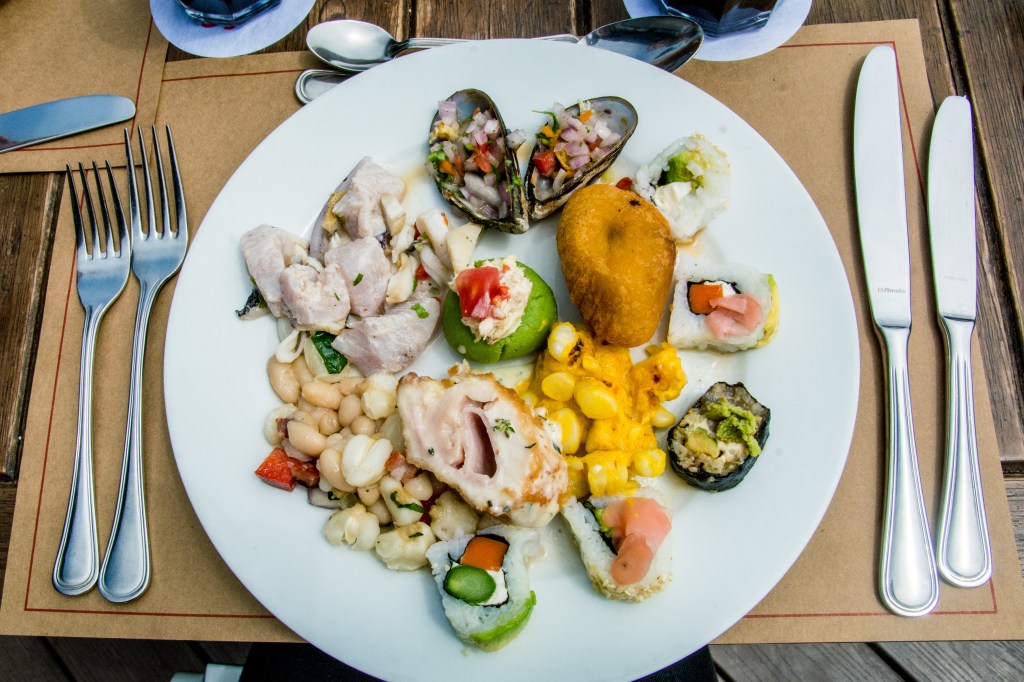
Mangos – This is one of the best spots in Lima, right on the Malecon in Miraflores, overlooking the water (amazing sunset spot). We came here for the buffet lunch. Mangos’ is the perfect place to sample a variety Peruvian food all in one go. How could you pass up the opportunity?
We arrived and took a seat out on the terrace so we could admire the view, we gorged in the Peruvian food. The dessert… Uuh well it was absolutely delicious. We gained a belt buckle size by the end of lunch.
Puro Peru – Another Buffet restaurant this time situated in Barranco, the locals in Loki Lima recommended this to us. They come here at least twice a month, as the quality in food is exceptional. We took their advice and we all went to Puro Peru together for a buffet lunch. As we had already been to Mangoes are expectations were already quite high but Puro exceeded them! They didn’t have an amazing view but the quality in food and choice of food was a lot better. I had a huge list of Peruvian food to try and I could get all the food in one hit. They also had a better seafood section, which was my favourite… they even served scallops! However the dessert section wasn’t as good and we preferred the desserts at mangoes. We really enjoyed this restaurant and would recommend this to anyone visiting Lima.
Edo Sushi bar – If you are a sushi lover this is the place to eat! There is a lot of Japanese influence in the Peruvian food (for example ceviche), so around the city you can find many Japanese Peruvian infusion restaurants. Sushi here is a lot cheaper than many countries in the world and being so close to the ocean, you know everything is very fresh!
Cusco
Green point restaurant – after a few days of upset stomachs we decided to hit up green point, a well-known popular vegan/vegetarian restaurant. The food here tastes so delicious and natural, we couldn’t get enough of it. They have a huge variety on the menu with different cuisines around the world. We ordered the menu of the day for 15 soles, which came with soup, buffet salad bar, main, dessert and drink – Bargain! For the main they served a Peruvian dish called Causa, another of my favourites.
Pachapapa – one of the best restaurants in Cusco to try local Andean dishes. It has won many awards and once you go, you can see why. If wanting to try guinea pig (Cuy), I suggest trying it here, as it is known for this dish – that is if you are brave enough.
Tip – you must call 24 hours in advance to reserve the Cuy.
Must see & do
Mancora
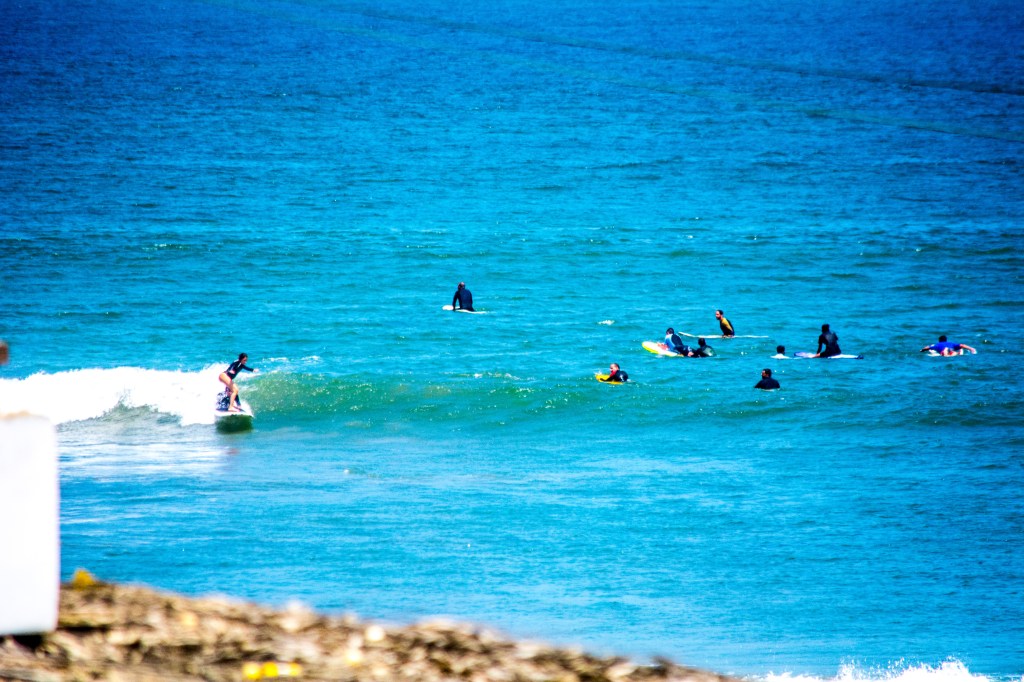
- Mancora in known as a gringo surf/party town. If you come here for surf, right off the beach is the only surf-able wave. A left breaks over a rocky point and walls up in few different sections. Be warned you will have to fight for your waves, dozens of locals, a handful of tourists and only one wave. Otherwise when it’s windy enough you can go kite surfing. All equipment can be rented right on the beach.
- Another surf beach is Lobitos, only 1 hour and a half away. Perfectly shaped Peruvian points and less crowded waves. Perfect for the more serious surfers.
- Swim with turtles at El Ñuro beach. 45 minutes from Mancora by mototaxi. This had tourist trap written all over it, and as we had swam with turtles in Mexico we gave it a miss.
- Start the party at Loki Mancora, happy hours and events going on every night with decent priced drinks. Meet same mates and go out to a discoteca along the beachfront or stay at Loki until the early hours of the morning. Make sure you have a blood bomb to keep you going!
Huanchaco
- Huanchaco is another must visit spot for surfers. Left-handed waves pop up everywhere along the beach with some rights hidden amongst it all. The best breaks are directly out front of “Casa Fresh”. During the day there are no locals and rides can last 20-30 seconds. Surf until you drop. Gear is available all along the beach boardwalk.
- Chicama is known as the longest left in the world. To get there – you will need to take a bus from Huanchaco (hale one down from the main road) and ask to go to Trujillo. You will get off at the metro supermarket, across the road you will need to catch a bus to Chicama. Ask the bus driver if you don’t know and they will help you out. It should cost around 8 Soles one-way (16 Soles return)
- Visit the Chan Chán ruins – largest adobe city in the world, huge walls surround the sacred buildings. Chan Chán ruins date back to pre-Inca period and was only taken over by the Incas in 1471, after an 11-year siege.
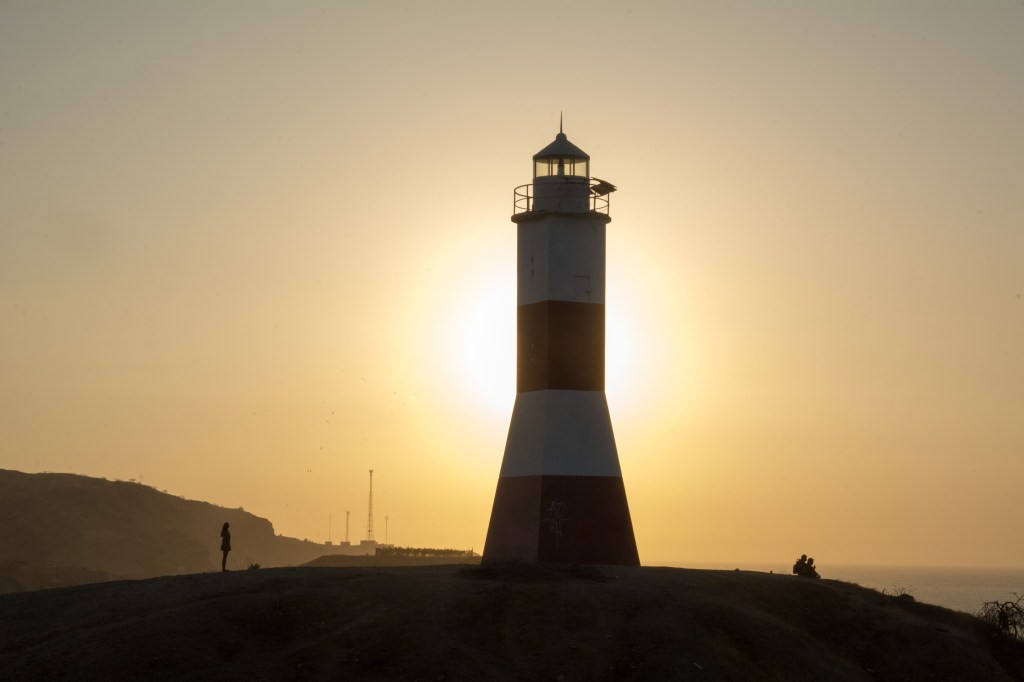
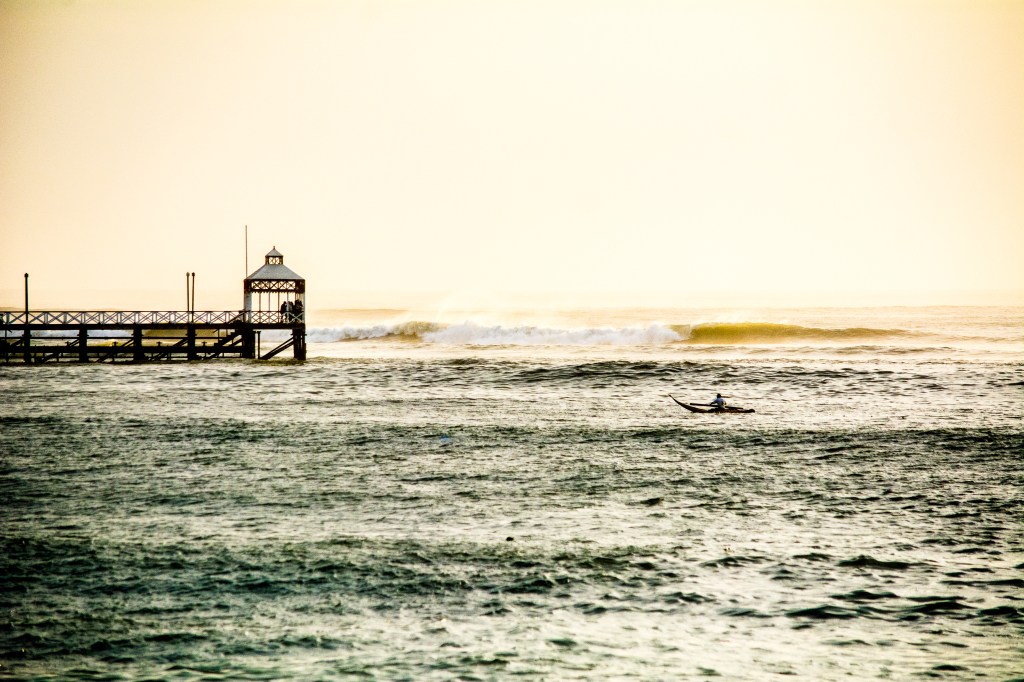
Huaraz
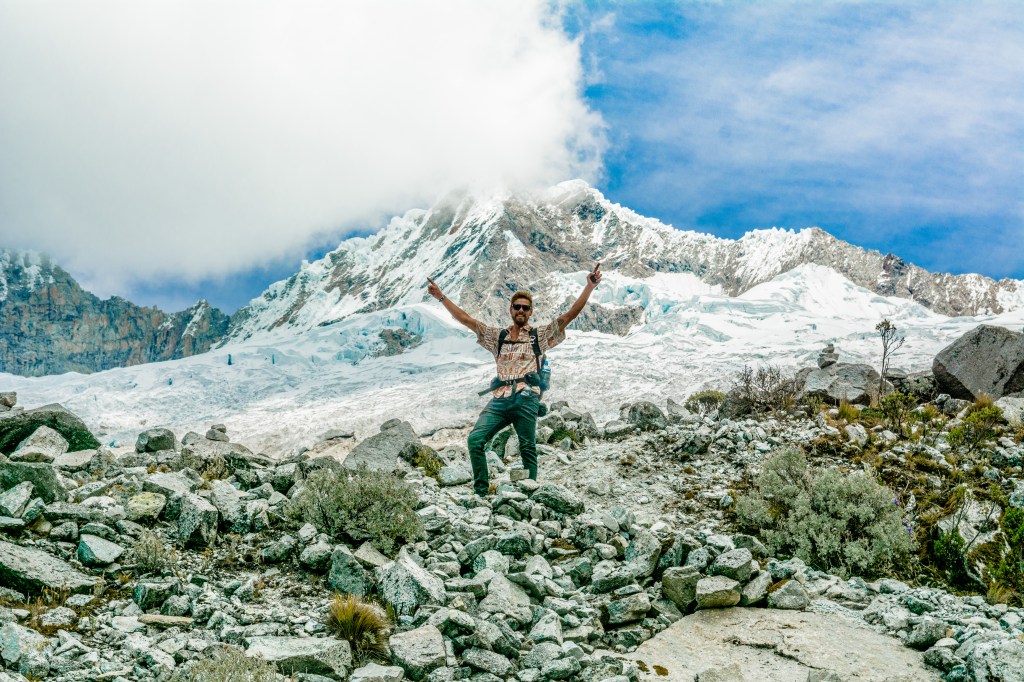
- Huaraz is the mini Switzerland of Peru; it has some of the best hikes in South America with amazing snow capped scenery and climbing high altitudes to get there.
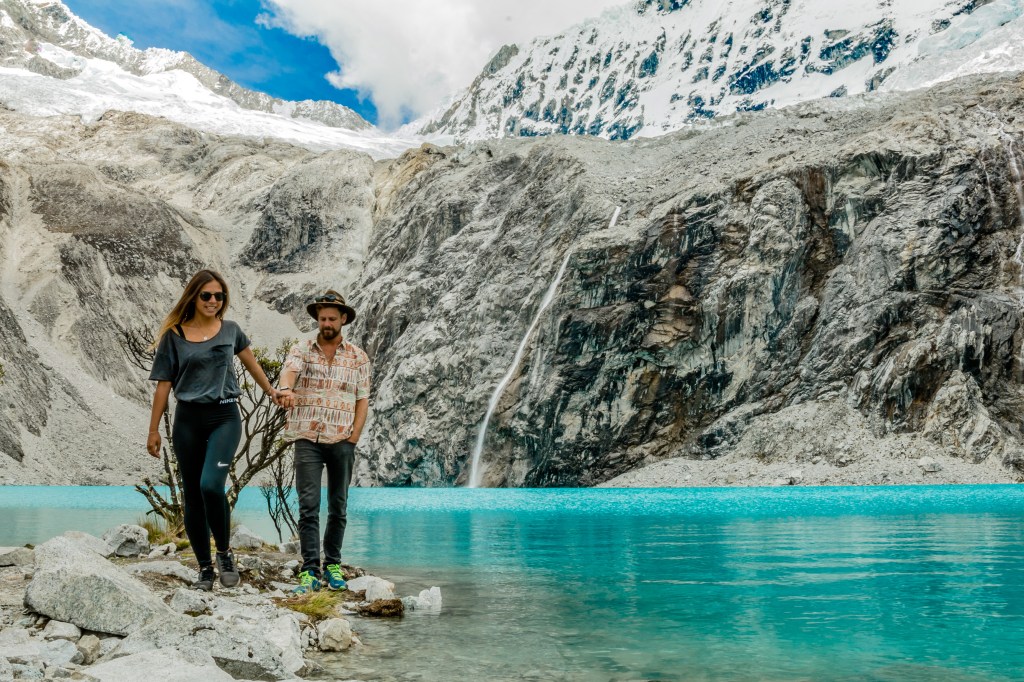
- We choose to do the Laguna 69 trek, as we are not much of hikers and had limited time; this was a great 1-day trek. We booked the trek within our hostel – Caroline hostel. We were picked up at 5am and drove in a van for 2-3 hours where we stopped at a restaurant to have breakfast. Food is not included in the trek so we suggest bringing your own breakfast and packed lunch. Once up the mountain there are no places to buy food. Also bring enough water for the day. It takes 2 ½ to 3 hours to hike up to Laguna 69; you will reach 4600m above sea level, so it can be quite tough as the air is thin. Once you reach your destination, it’s absolutely stunning; the water is so blue it looks like a painting. Here you can relax or if brave enough like Brett, you can go for a swim in the freezing cold water. The journey down should take around 2 ½ hours and then you are back on the van to Huaraz.
- Santa Cruz trek – is another popular trek, unfortunately we did not have enough time, as it would take 3-5 days to complete. You can do this trek either by yourself or with a guide. On the Santa Cruz trek you climb to 4750m above sea level and visit various villages and more stunning glacial lakes.
- Relax in the Chancos Hot pools – After a long day or few days of hiking, relax your muscles in some hot pools. Primitive steam caves are 100% natural and with around 10 caves, each is fairly private. They also have private hot water baths for additional cost.
- Check out the markets – here you can buy many souvenirs and gear needed for any trek – be it beanie, gloves or clothing. In Huaraz it is a lot cheaper than Cusco where the same things are sold and it is a lot easier to bargain, as it is less touristy than Cusco.
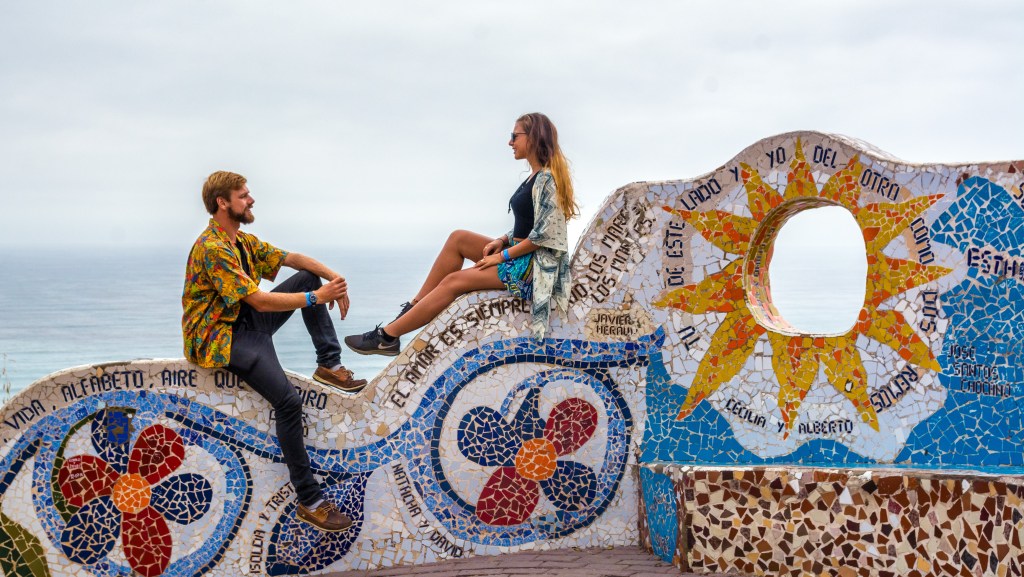

Lima
Before travelling to Lima, know that it is a big city. Many people are put off by the fact it is a city and don’t give it a chance, hence we have met a lot of people that do not enjoy Lima or skip it out entirely. This Lima guide will hopefully show you a new perspective to make your stay here an enjoyable one. If you are not into food, then maybe you wont enjoy it as much, as Lima is rated one of the top 5 food capitals in the world! Competing with London and New York.
- There are many districts/neighbourhoods within Lima, the two trendy and most popular neighbourhoods most tourists stay in is Miraflores and Barranco. Both have exceptional restaurants, bars and cafes you can spend your days in – Check out our food section for more information. Barranco is very hipster with a lot of street art. If you are interested there is a free walking tour especially on street art in and around Barranco.
- Go for a run on the Malecon – the Malecon (Boardwalk) in Miraflores is my favourite. It is a great excuse to go exercise early in the morning as they have a lot of free exercise equipment along the boardwalk. You also have a view of the sea, any big city with ocean view makes it that much sweeter for us.
- Join a free walking tour of downtown – there are a few free walking tour companies that do a tour of downtown, the meeting point for all of them is at Kennedy park in Miraflores around 10am – 11am everyday. This is a unique walking tour as it starts in Miraflores, so you have to take public transport with the tour group to get to downtown (make sure you have small change). The tour itself was very informative and our guide was great, we walked around Plaza de Armas and watched the changing of the guard. Pisco tasting is also included in the tour and at the end they give you many local recommendations.
- Tip – when taking the Metro in Lima, there is no need to purchase a travel card. Just ask a local if you can join onto their card and give them money for it (make sure you have the correct change, it costs 2.50 Soles). This is very common among tourists.
- Go Parasailing – along the Malecon you can always see someone Parasailing, it is always fun to watch the experts doing flips in the air and if brave enough you can go join them.
- Surfing – Lima has some nice long board breaks along the beachfront. You can rent boards from stalls down at the waters edge and enjoy. Stand up paddleboards and surf lessons are also available.
- Lima has great nightlife, if staying at Loki Lima they have a designated club/bar to go to every night once their bar closes at 1am. It is a great way to make some friends then head on over to a nightclub to party together. Otherwise some places we can recommend are Gotica, Ayahuasca bar, and La Botika
Paracas
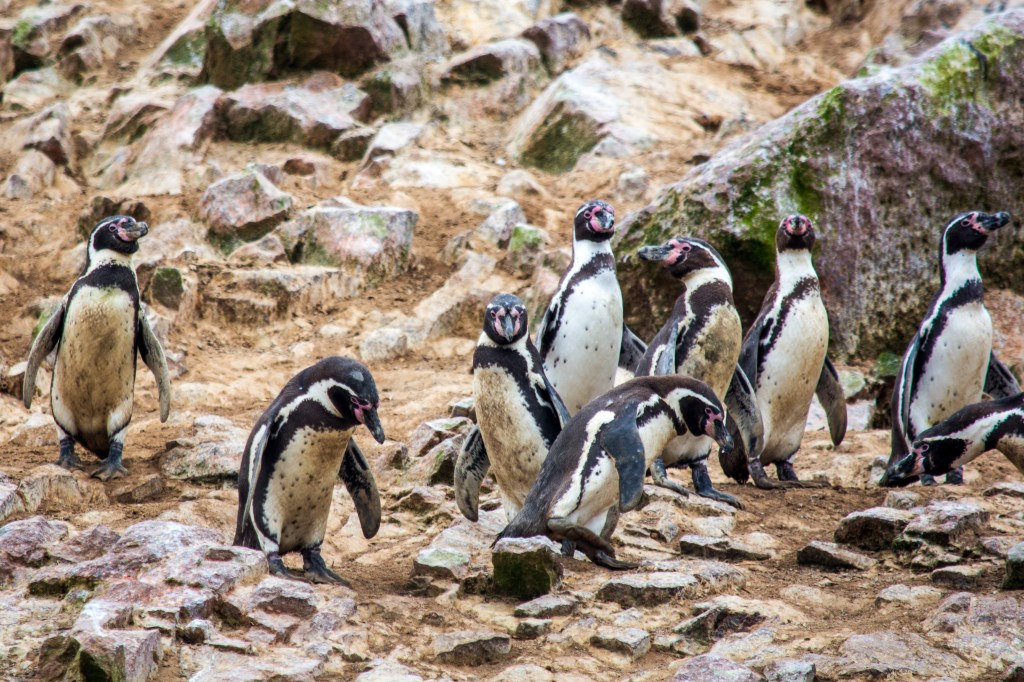
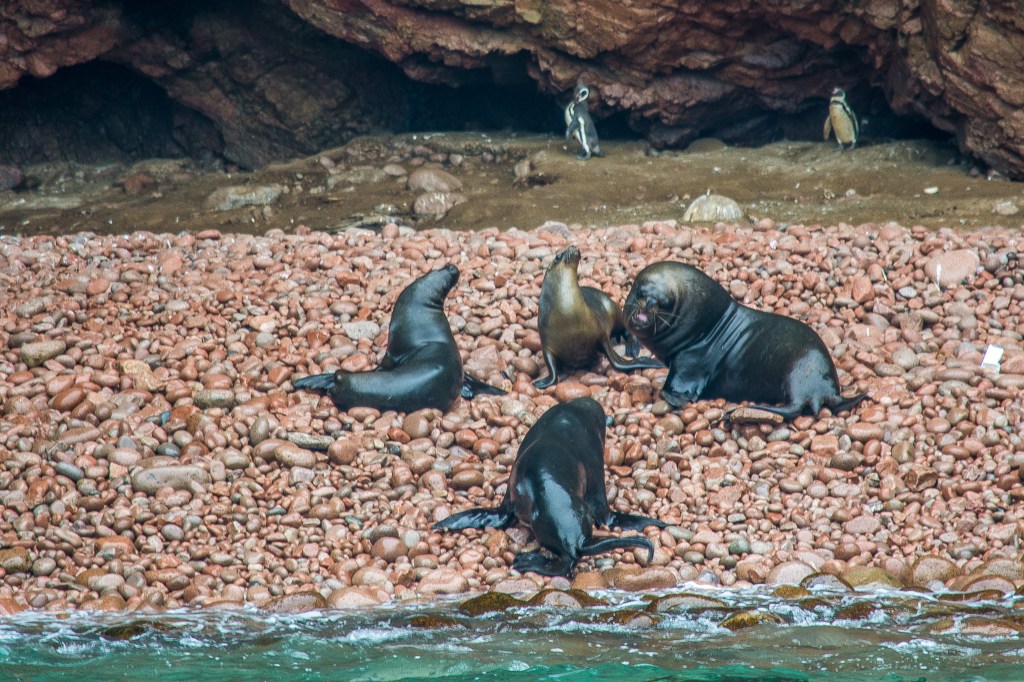
- Isla Ballestas – Known among backpackers as the poor-mans-Galapagos. This suited us just fine. On the journey out to Ballestas Islands you pass an original geoglyph similar to the Nazca lines etched in the sand of a mountain. The ride to the islands is 20 minutes long, you will know you are getting close when you see flocks of diving sea birds and the heads of sea lions popping out of the water. The Islands are dense with wildlife. Penguins group together on the rocks, Sea lions bask in the sun and millions of sea birds call Ballestas home. This Mecca of life is a protected natural reserve and only scientists with permits and security are allowed to set foot on the islands. The tours skirt close around the edge giving you a fantastic close up look. The tour prices are standardised across most of the tourist agencies for S/ 30 which does not include National Park entrance of S/ 15 or Harbour fee of S/3
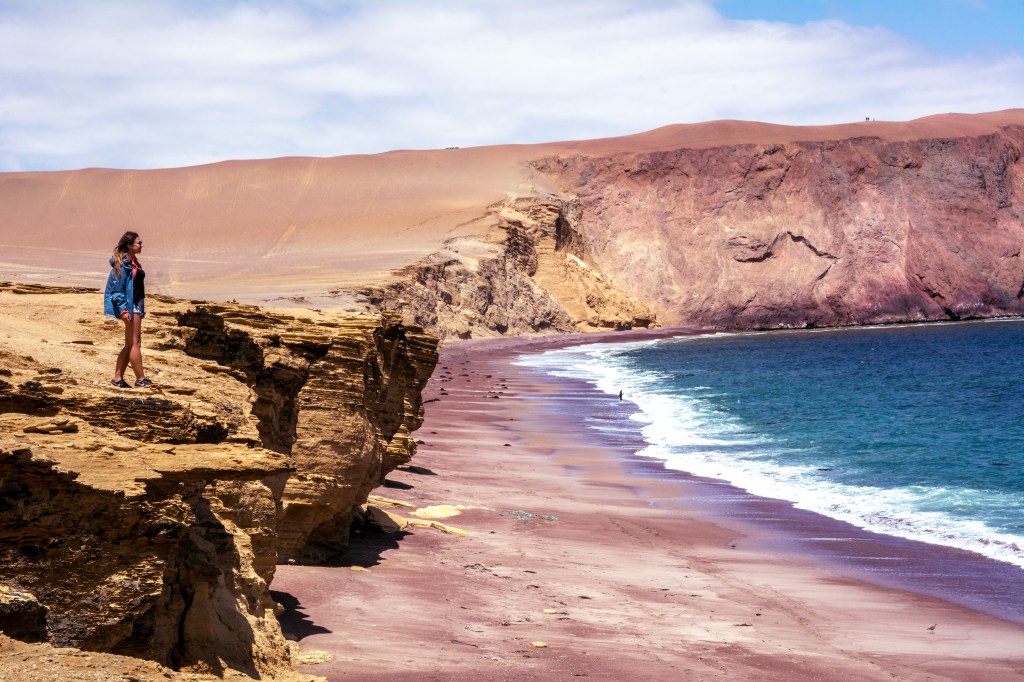
- Paracas National Reserve – The same National Park entrance ticket includes entrance to the peninsular section of the park. The peninsular has a museum showing the changes of the national park over thousands of years from jungle to desert. Flamencos can be observed from a distance (remember your long lenses) and you will also see the unique red cliffs where arid desert meets the ocean. We participated in a tour with an English guide. We combined our Ballestas Islands and National Park tours in one agency and were therefore able to haggle a good deal.
- Otherwise rent an ATV and visit the national reserve yourself. Drive along the dunes and follow your own schedule with the freedom of your own transport. It should cost around 70 Soles each for the day, not including entrance fees.
Huacachina
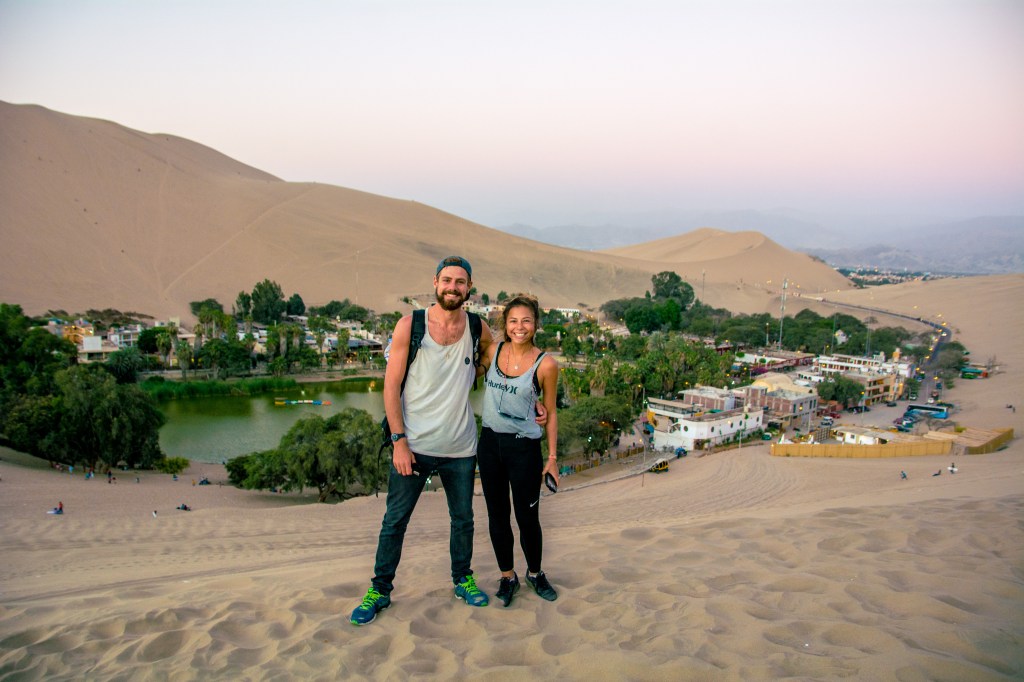
- Sand boarding – The main reason that everyone visits this small desert oasis is not only to see the vast amount of sand dunes but also to go in a sand buggy and travel to distant dunes to go sand boarding. This is different of course to snow boarding, as you will go down on your boards face first to get more momentum. It is really an activity to try and a unique experience. Note – When staying at banana’s adventure hostel you can get this activity for free!
- Go on a Pisco tour – all around town or at your hostel you can book in a wine/pisco tour. As the national drink is Pisco, it is a good way to learn how the drink is made and of course sample all the many different types of flavours!
- Capture some beautiful sunset/sunrise photographs – Brett and I decided to wake up for sunrise and climb the sand dunes at 4.30am for a 5am sunrise. At this time, not many people get up this early so it was nice to have it nearly to ourselves watching the sun bright up the sky.
- We also watched the sunset with many other people for 6pm, the sunsets is at a better position that when it rises so it was great to get the whole Oasis and sunset in the photo. Take a few beers up to enjoy the sunset – it’s very romantic.
Tip – remember the sun rises in the east and sets in the west, so get in your preferred position early.
Camera tip – use a wide lens to capture the entire Oasis and surrounding dunes.
Cusco
- Machu Picchu Trek – the most popular tourist attraction to see when visiting Cusco. There are many different hikes to choose from depending on your hiking level. As we like the outdoors as much as the Average Joe, we decided to do the Jungle trek which involved around 2.5 days of hiking instead of 4 and with different adventure activities included. Otherwise many people decide on doing the Inca trail, which we have heard, is amazing, but this kind of tour needs to be booked in 6 moths in advance. If you are not interested in hiking or have a short amount of time, you can train from Cusco to Machu Picchu town (Aguas Caliente) and then take a bus to the ruins – this of course is very expensive. If you are not fussed then we recommend waiting until you arrive in Cusco to book your tour, as they are relatively cheaper than online.
For more information on our experience, how we went on the 4-day Jungle Trek and any tips/advice, check out our blog post here.
If we could give you one tip, it would be to make an effort and book one month in advance to climb up Huayna Picchu – it is the bigger mountain in the photo. It’s an hour of difficult ascent but the view from the top is totally worth it and absolutely breath-taking. We whole-heartedly recommend purchasing this ticket.
- Hike up to Rainbow Mountain or known as Vinicunca Mountain. You can do this trek in a day but will have to leave at 3am to have enough time. The cost of a 1-day hike is around 75 Soles. It is a difficult trek as it is 5000m above sea level; make sure you are acclimatised in Cusco before attempting this hike.
- Sacsayhuaman on the northern outskirts of Cusco, is an Inca ruin site with some of the finest stone masonry found by the Incas. Rocks weighing up to 130 tonnes fit together with perfection. Three walls run parallel for over 350m. The ruins are thought to be a temple to the sun. You can visit the sites on foot from Cusco or take the Pisac bus up to Tambo Machay. Open daily 7am – 5.30pm.
Tip – the site offers free guides for students (don’t forget to bring your ISIC card), it is courtesy to offer a small tip at the end.
- Take a free walking tour – Loki hostel offers free walking tours daily at around 2pm. The tour starts from the hostel and goes down and around the main square. Lots of interesting information to take in and don’t forget to ask the guide their favourite local restaurants to go to.
- Go shopping at San Pedro market – This market offers everything! It is a great place to buy souvenirs, equipment and clothing for your trek and even some food and drinks, all at such cheap prices! Don’t forget to barter with them as they always start with a higher price. Brett had to literally peal me away as I bought so many gifts for our family here.
- Take a seat in the Plaza de Armas (main square) and admire the La Catedral.
- Mirador de San Blas is a beautiful look out with a view over all of Cusco. It is a quirky area with cobbled streets and white washed houses. Be careful as it is a bit of a walk up a hill from the main square, it can be quite difficult in high altitude. Take it slow and remember the view is worth it in the end.
- Visit the “Museo Inka” – learn about the development of culture from pre-Inca to the modern day. See a collection of artefacts from throughout history including textiles, ceramics, jewellery and technology. Entrance costs $4 and is open Monday to Friday 8am – 7pm and Saturday 9am – 4pm.

Arequipa
- Get to know the city by taking a Free walking tour, tours start at 2pm from the main square (Plaza de Armas)
- Visit Convento Santa Catalina – after 4 centuries of being a mystery to the public, Santa Catalina convent opened in 1970. Inside is a complete miniature walled colonial town. At its height, 450 nuns lived in total seclusion. Today only a few nuns remain in one section in the convent, the rest is open to the public. Inside cobbled streets lead to beautiful bright plazas, decorated by flowers. Tip – visit on a Tuesday or Thursday evening when the convent is lit by candles. Very beautiful!
- Mundo Alpaca is an Alpaca/Lllama museum that must be visited. It is free to enter and walk around to see the different types of Alpacas and Llamas. You learn about the different types of fur and how they use them in textiles. At the end you can purchase your authentic Alpaca jumper or scarf from the shop.
- Mirador de Yanahuara, is a great place to go for a look out of the city and a picturesque view of volcano Misti.
- Mercado San Camilo – is a popular destination for tourists and locals to purchase fresh fruit, veges and meat. It is not the cheapest, as they are gave us tourist prices, so we went to the supermarket instead and found it cheaper. The market though is a great place to get freshly squeezed juice of your choice of fruits.
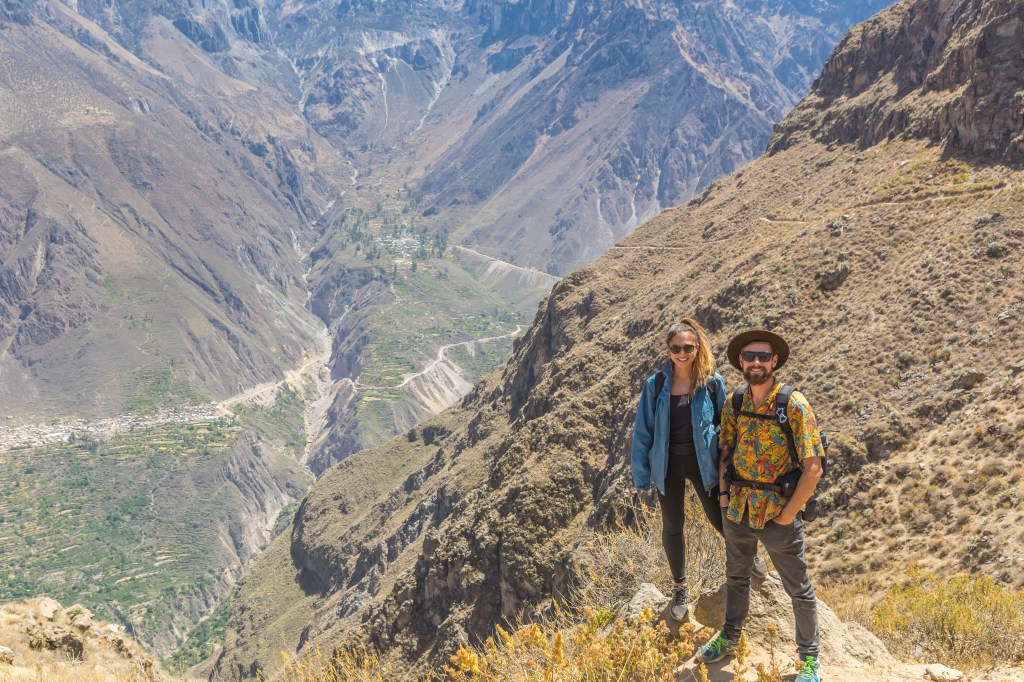
- Colca Canyon was our highlight of our Arequipa trip. It is the deepest canyon in the world at 3400m deep. One day, 1 night or 2 night options are available.
We took part in the 1 night option that includes an 8hr hike down inside the canyon and an overnight stay in bungalow huts in the beautiful green canyon oasis. Along the journey is stop offs for Condor watching, volcano lookout and an optional hour in some natural hot pools. You can book through most hostels or the travel agencies in the main plaza.
Puno
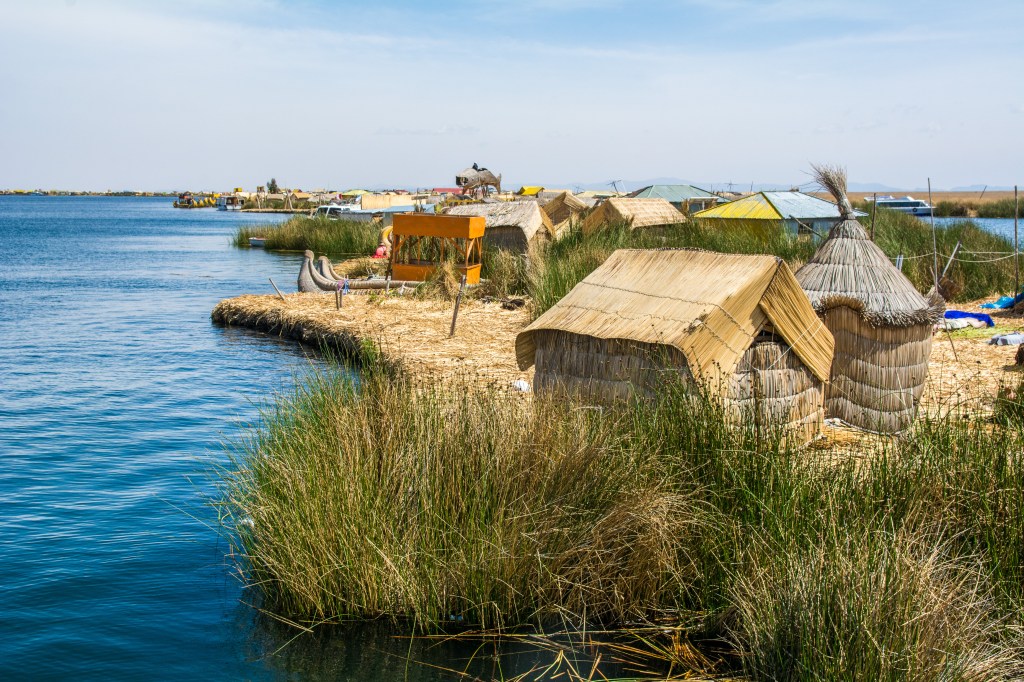
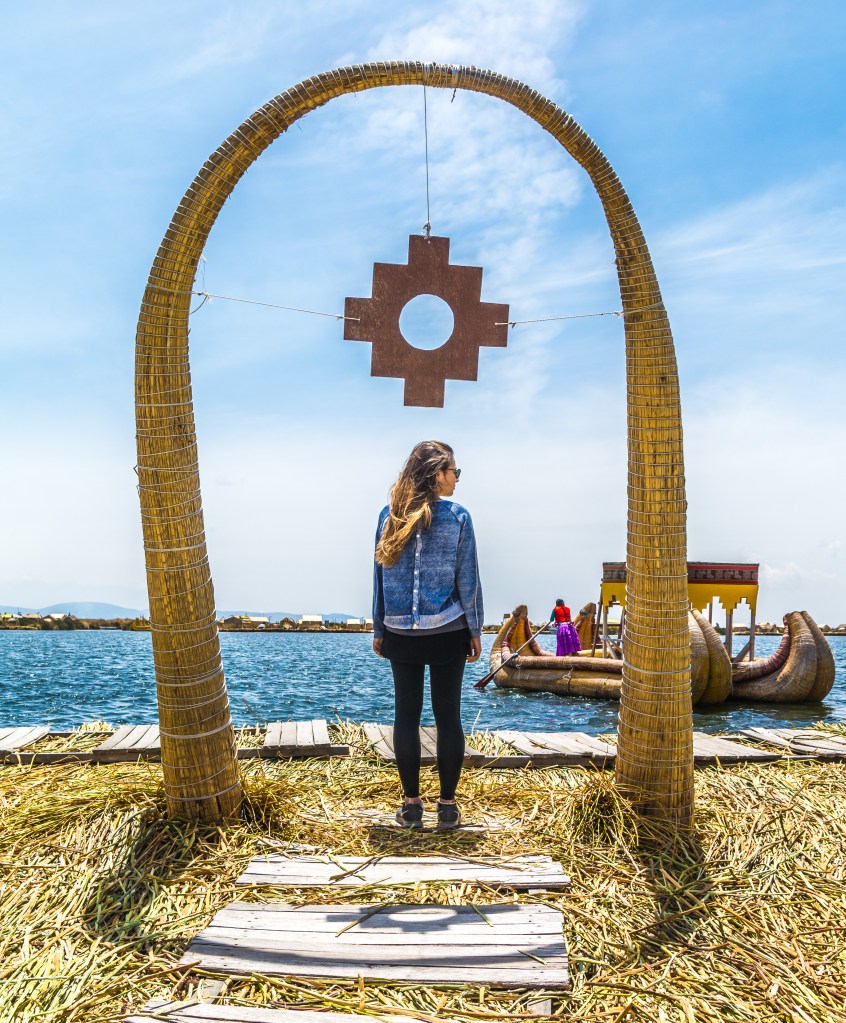
- Take a tour out to the islands on Lake Titicaca, explore the reed islands of Uros and learn about one of the most unique cultures on our planet. Then spend a night with a local family on Amantani Island, learn how the families rely on agriculture and community to thrive in isolation.
Our tour was organised through All Ways Travel. They were an eco-friendly company who is reputable and respectful of the locals and their cultures. Our guide was highly knowledgeable and the experience for us was superb. - We had the afternoon to explore a little of Puno, we visited the main square and the stunning cathedral in front of it. It is truly beautiful and free to enter. Then take a walk down Lima St the main shopping street in town.
- Casa de Cultura – is a local art exhibition, on the corner of the Main Square and Lima St. Displays of local handiwork and artwork. It was really interesting to see and free to enter, so why not!
Tips & Advice
- In Peru the currency they use is the Peruvian Sol
- High season is between June and August, low/rainy season is December to February (note that the Inca trail is closed in February). Mid season is between Sep – Nov and Mar – May.
- Buses in Peru are a lot nicer than many countries. When booking a bus journey you can choose your seat depending on how far you would like it to recline. 180 degrees goes down flat like a bed (this will be the most expensive seat), Semi cama is 160 -145 degrees and anything higher than that is a normal seat a no one want to be sleeping like that especially on an overnight bus.
- While visiting Mancora, stay away from Global net ATM (the big yellow machines). There have many cases that it has dispense fake money. We used BCP and Scotia bank, they were very reliable and had no ATM fees but your bank fees may apply.
- Don’t change money at the borders as there also maybe fake money being exchanged.
- To avoid altitude sickness, arrive a few days early to your destination to give time for your body to climatize. Drink plenty of fluids and take things very slow. You may want to purchase coca leaves to chew on.
- Peru’s electricity runs on 220 volts and 60 cycles (except for Arequipa where it is 50 cycles)
- The norm is 10% tipping at restaurants.
- Yellow fever vaccinations are required if you travel to the Amazon.
- If looking to do a Macchu Picchu trek, wait until you get to Cusco to book, as it is a lot cheaper. Or if you plan to do the Inca trek, book 6 months in advance.
- Don’t forget to put sun block on when at altitude. As you are closer to the sun, it is easier to burn.
- When not in altitude apply plenty of bug repellent. Especially on the Machu Picchu trek and in the Amazon.


 Kiwis Off Course
Leave a reply to legendsfeedback1233 Cancel reply